Situated in the south of mainland Portugal, the Algarve is separated from the Alentejo plain by an almost unbroken mountain range that runs from the Spanish border to the Atlantic coast.
The Mediterranean climate is differentiated between the coast to the east of Faro, the sotavento, which is warmer and has a strong Mediterranean influence, and the coast to the west of Faro, the barlavento, which is cooler, wetter and more temperate.
The region’s soils are heterogeneous, ranging from areas dominated by sand, clay, limestone, sandstone, and lithic elements, with rare schistose areas on the slopes of the mountain ranges.
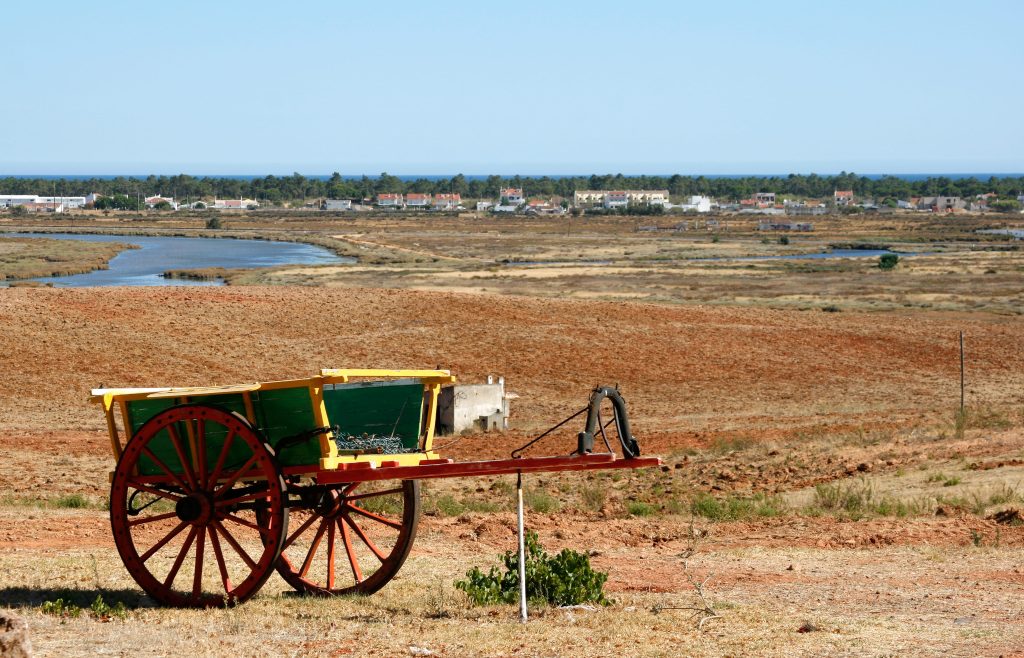
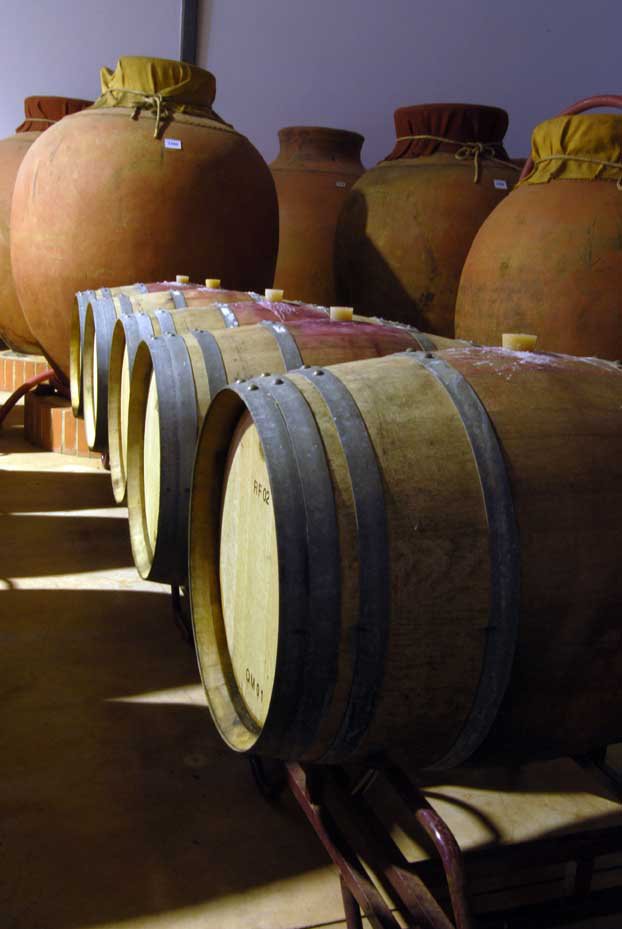
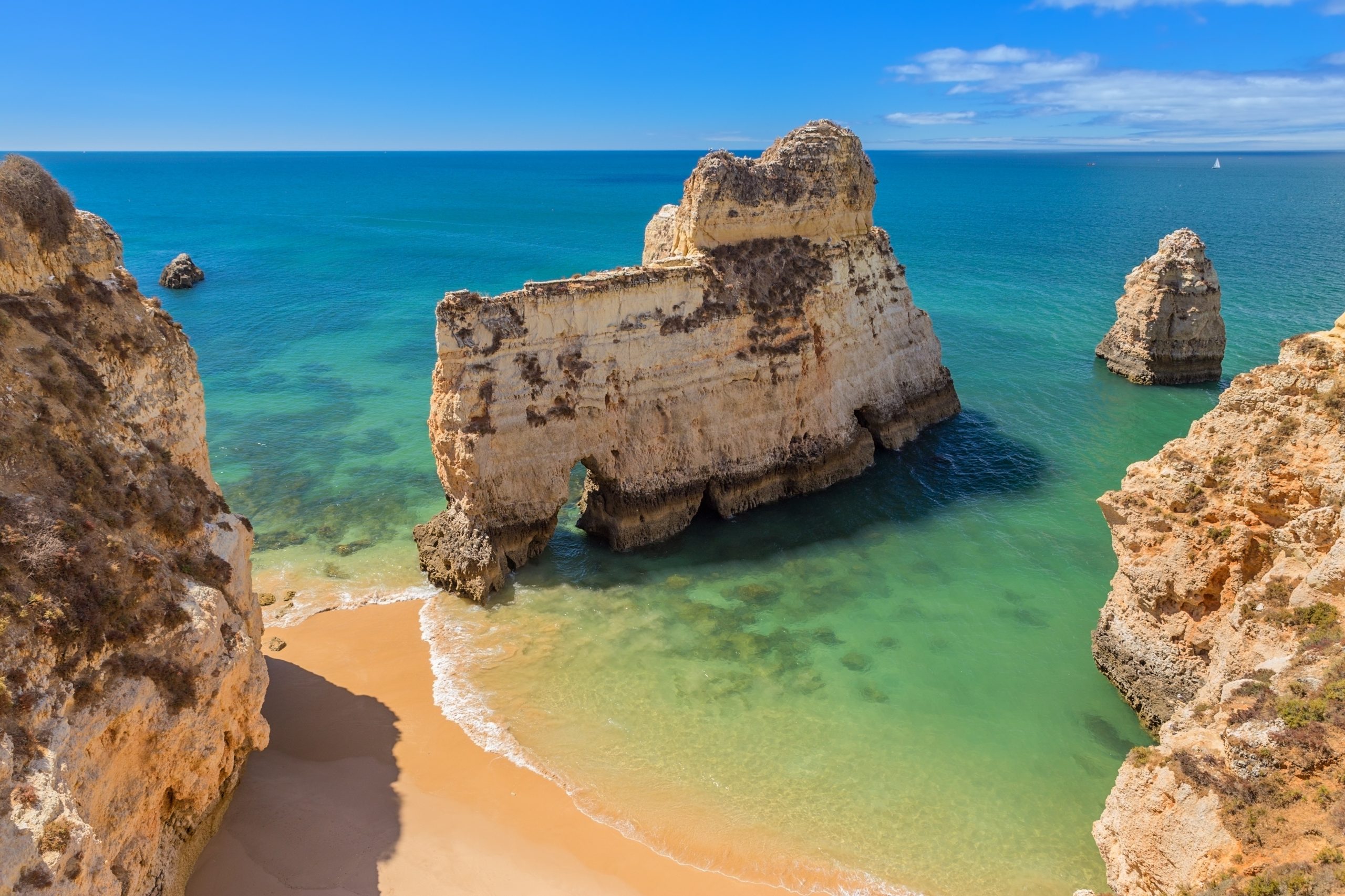
Photo gallery of Algarve's wine region
12
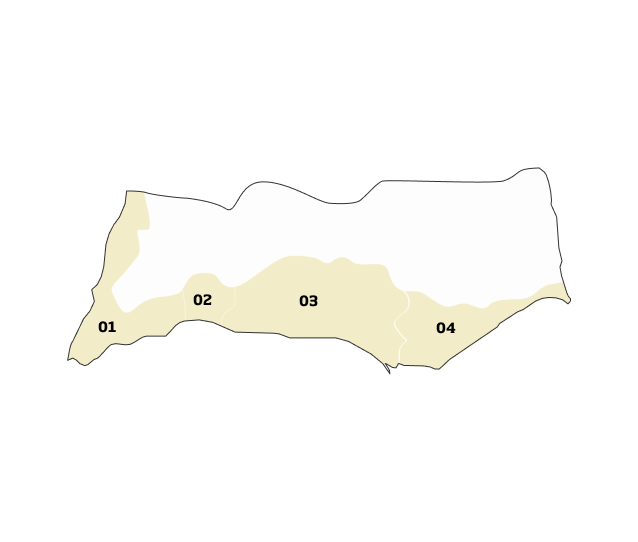
Algarve is divided into four appellations of origin: Lagos, Portimão, Lagoa and Tavira. Protected from the hot, dry northern winds by the mountain system, enjoying over 3,000 hours of sunshine a year, the Algarve presents itself as one of the regions with the greatest growth potential in Portugal. The majority of white grape varieties are Arinto, Malvasia Fina, Manteúdo and Síria, while the red varieties are Castelão and Negra Mole.
The majority of white grape varieties are Arinto, Malvasia Fina, Manteúdo and Síria, while the red varieties are Castelão and Negra Mole.
Culture
Ocupação muçulmana
During the Muslim occupation of the Algarve, vines were cultivated in large quantities. As the Muslim religion doesn't allow the ingestion of alcohol, wine served as a currency of exchange for the acquisition of other products. After the reconquest of the Algarve, the Christians took advantage of the economic organization left by the Muslims.
Commercial importance
The Algarve's winegrowing tradition is not limited to the cultivation and production of wine: the region played an extremely important role in the trade carried on during the Middle Ages and into the Modern Age.