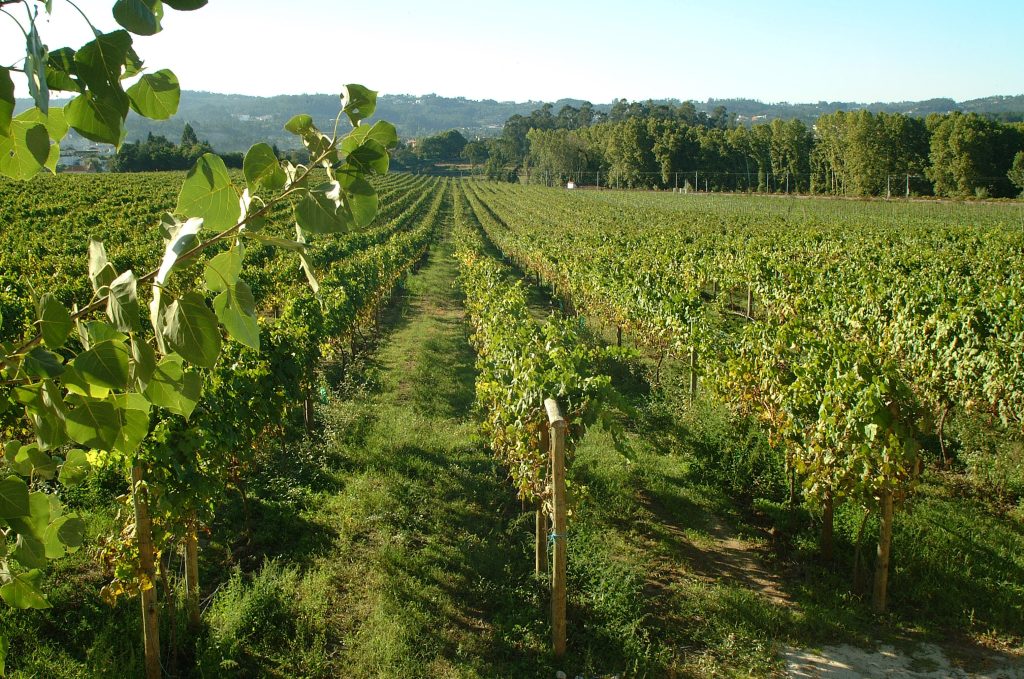
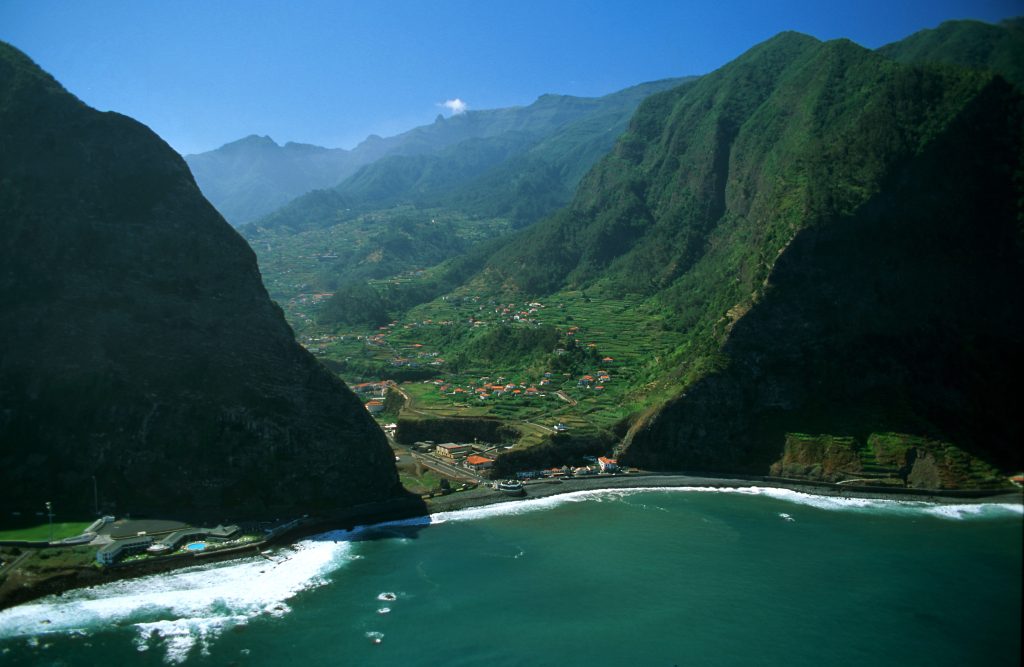
It is one of the most original and distinctive regions of Portugal, marked by an extreme Atlantic influence, in a green and humid landscape, with cool temperatures and abundant rainfall.
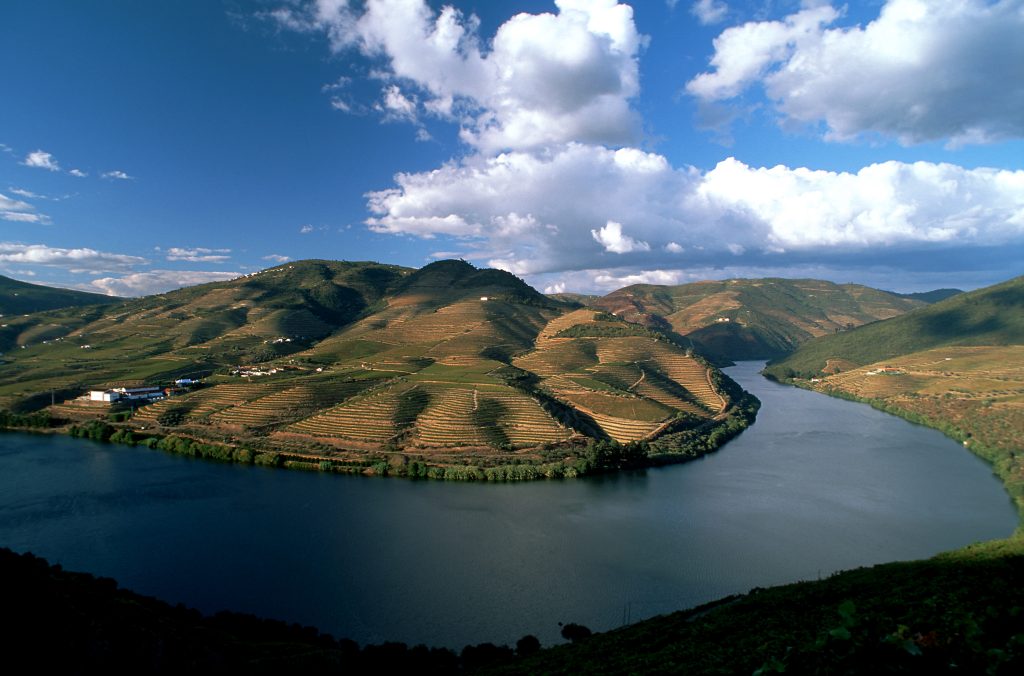
Due to its morphological characteristics of a valley embedded at high altitude, the small region of Távora-Varosa is especially suited to the production of sparkling wines. It was the first national wine region to be demarcated for the production of DOC sparkling wine in 1989.
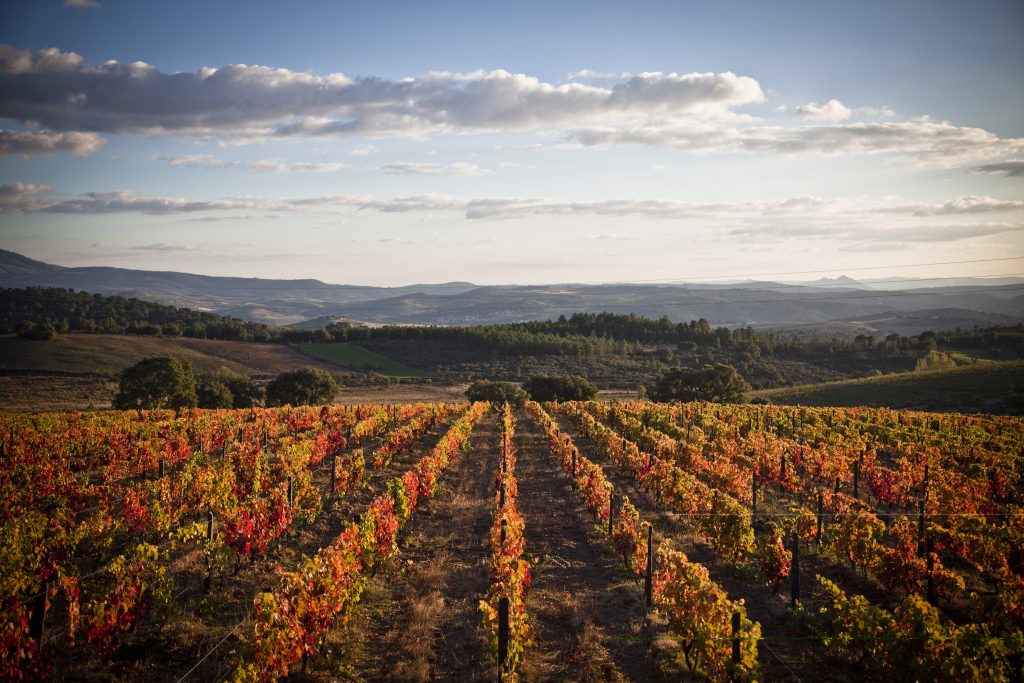
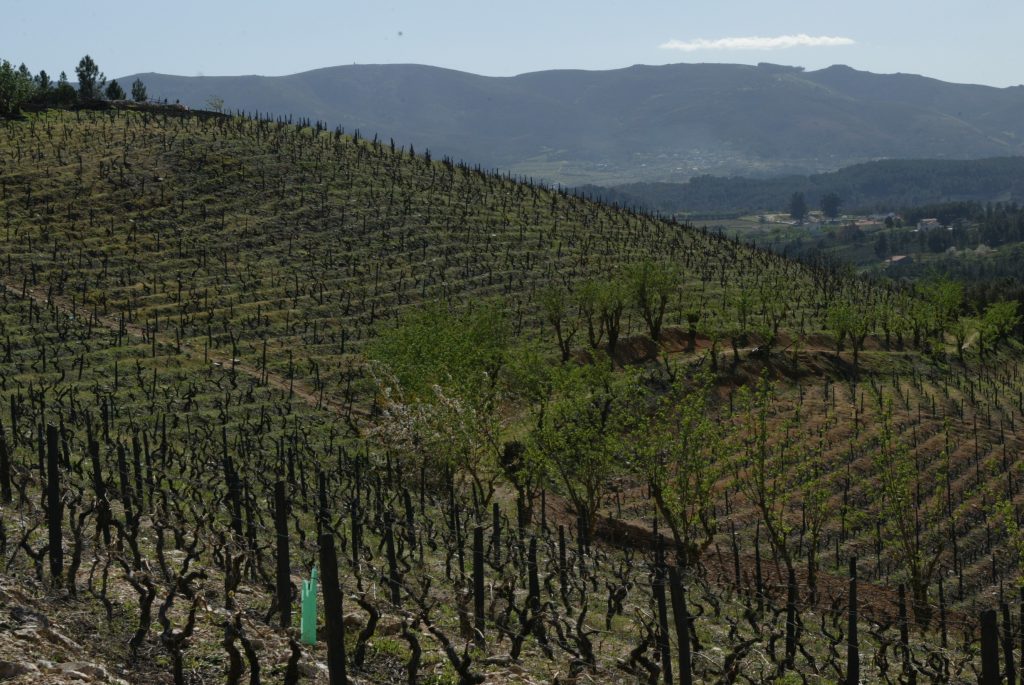
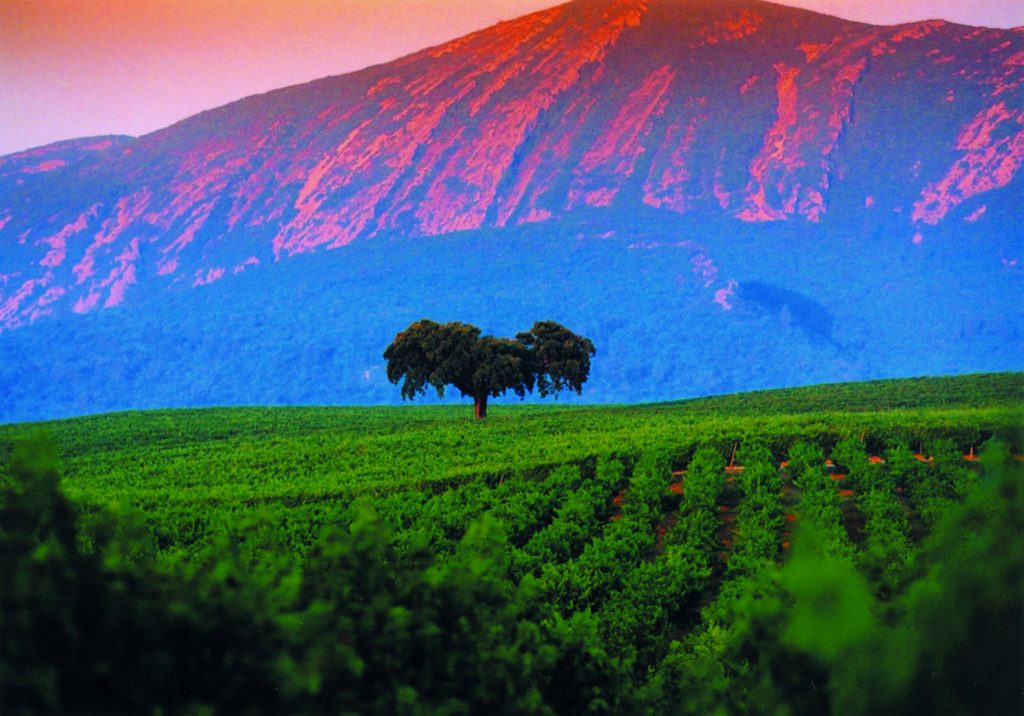
Surrounded by mountains in all directions, based on very poor granite soils, the Dão region extends its vineyards scattered among pine forests at different altitudes, from 1,000 meters in the Serra da Estrela to 200 meters in the lower areas.
It is a flat, coastal region that develops along a maritime coastal strip, with a marked Atlantic influence, with abundant rainfall and mild average temperatures.
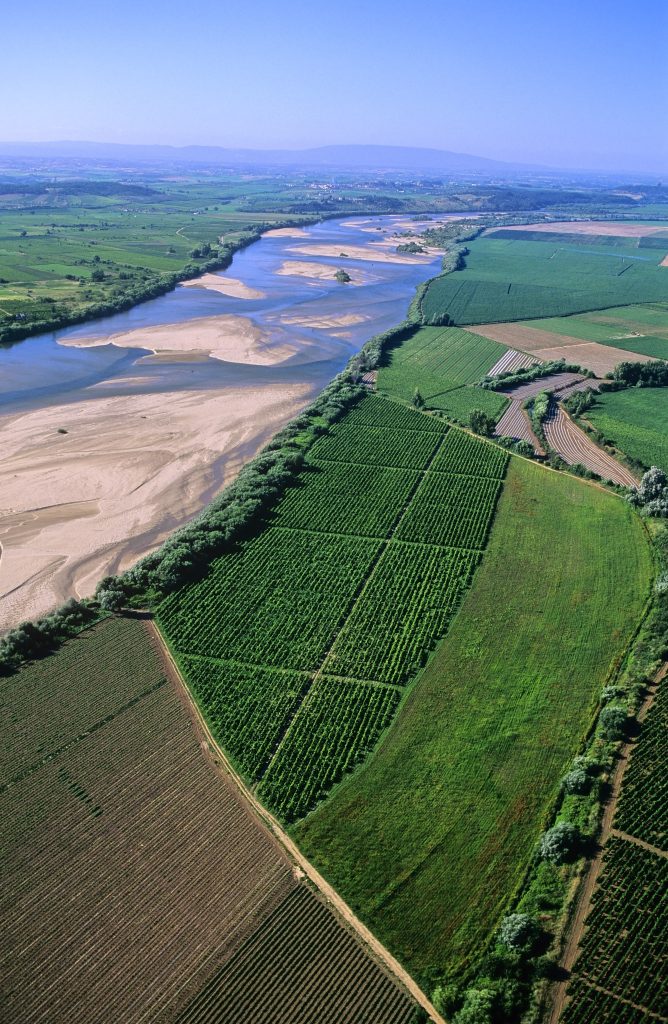
The Tejo region is located in the very heart of Portugal, a short drive from the capital city of Lisbon. Pulsing with a rich heritage, Tejo claims a bounty of historical treasures scanning the pages of time, from Roman ruins and Gothic castles, to Manueline monasteries and medieval hilltop villages. To the Portuguese, Tejo is known as the land of vineyards, olive groves, cork forests, Mertolengo cattle, and the famous Lusitano horses.
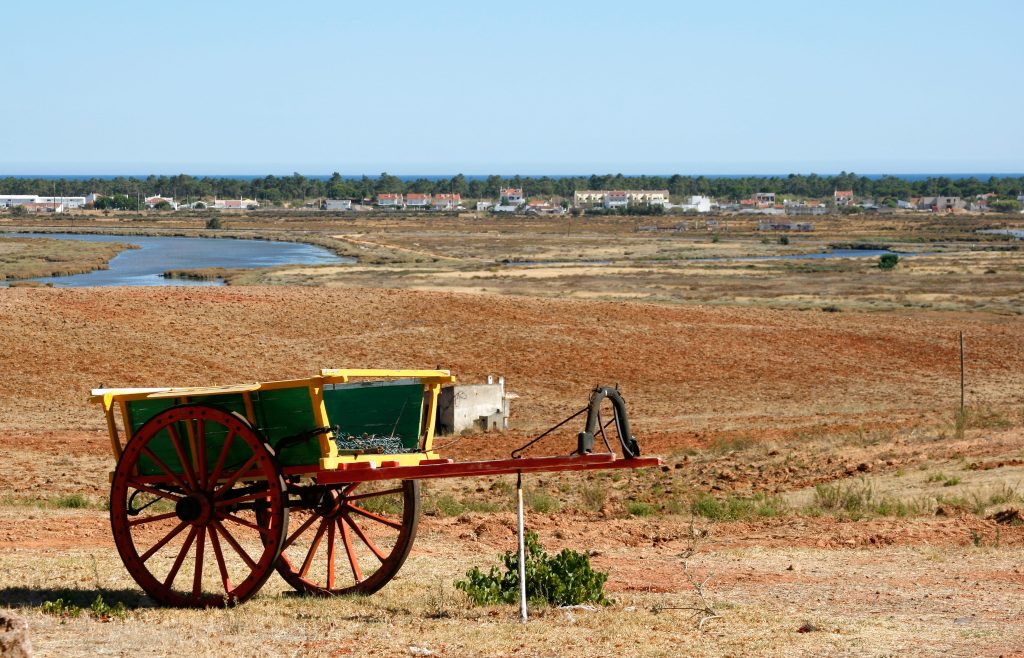
Situated in the south of mainland Portugal, the Algarve is separated from the Alentejo plain by an almost unbroken mountain range that runs from the Spanish border to the Atlantic coast.