History

History of Portugal

*

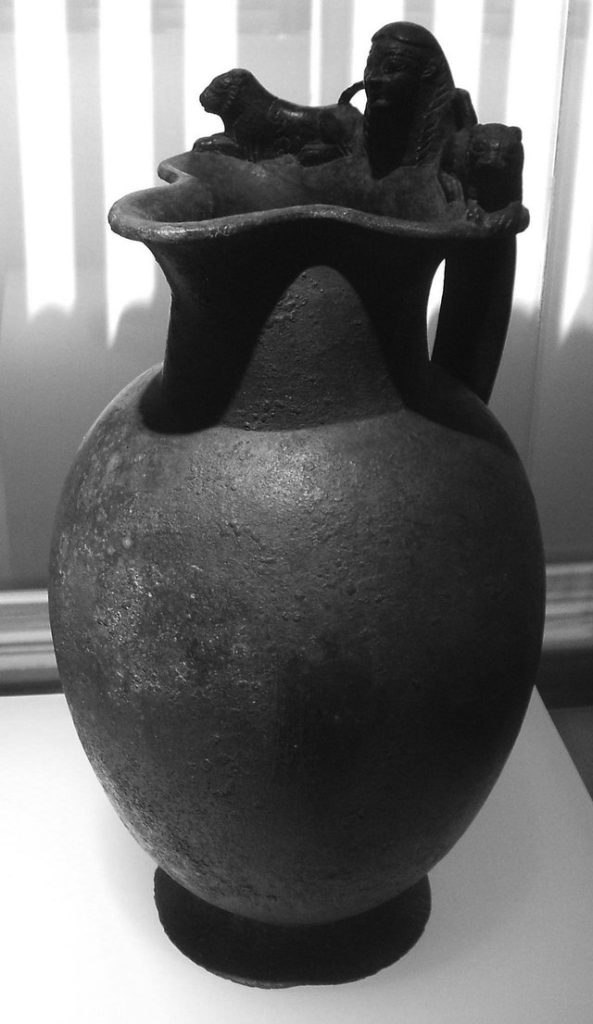
The origins of wine in Portugal may date back to around 1000 BC, a period associated with the mythical civilization of Tartessos, which is said to have used wine as a medium of exchange.

1000 BC

1000 BC: From the Kingdom of Tartessos to the Iberian Celts

The wine, produced from vineyards planted in the Tejo and Sado valleys, served as a currency of exchange, fostering the culture of the vine and making it an important part of the life and traditions of the people

6th century BC

Celts and Iberians

7th century BC

Greeks

10th century BC

Phoenicians

2nd century BC: Romans

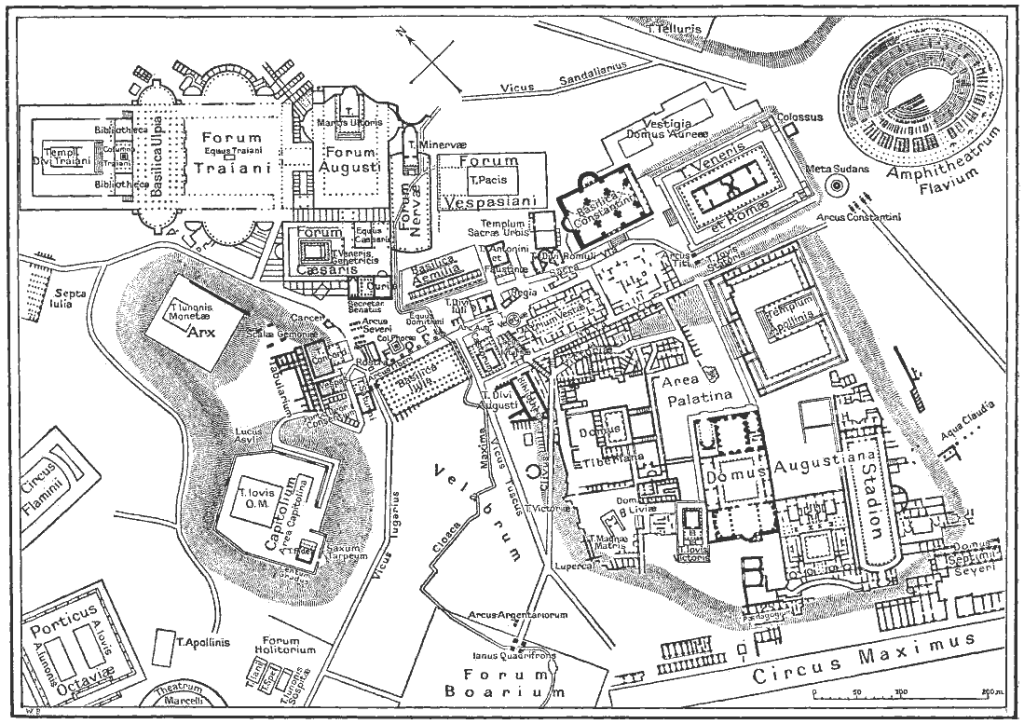
The Romanization of the Peninsula led to the consolidation of wine production in Portugal, since Rome’s development caused consumption to skyrocket, demanding ever greater production that the local vines couldn’t handle. It was up to the colonies to meet the demand and guarantee that wine flowed, abundantly, all over the Roman Empire.

8th century

8th century: Arabs until the Christian Reconquest in the 12th century

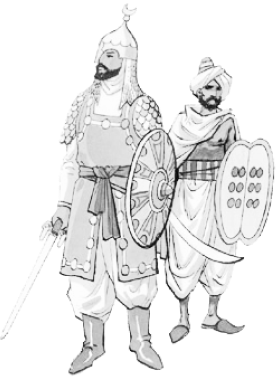
Between the 8th and 12th centuries, a time marked by Arab influence and a culture that strictly forbade the consumption of fermented beverages, vine growing and wine production were curiously maintained, benefiting from the benevolent and protective spirit with which the Arabs regarded farmers.

8th century

Arabs

12th Century

Christian Reconquest

1143: Portugal

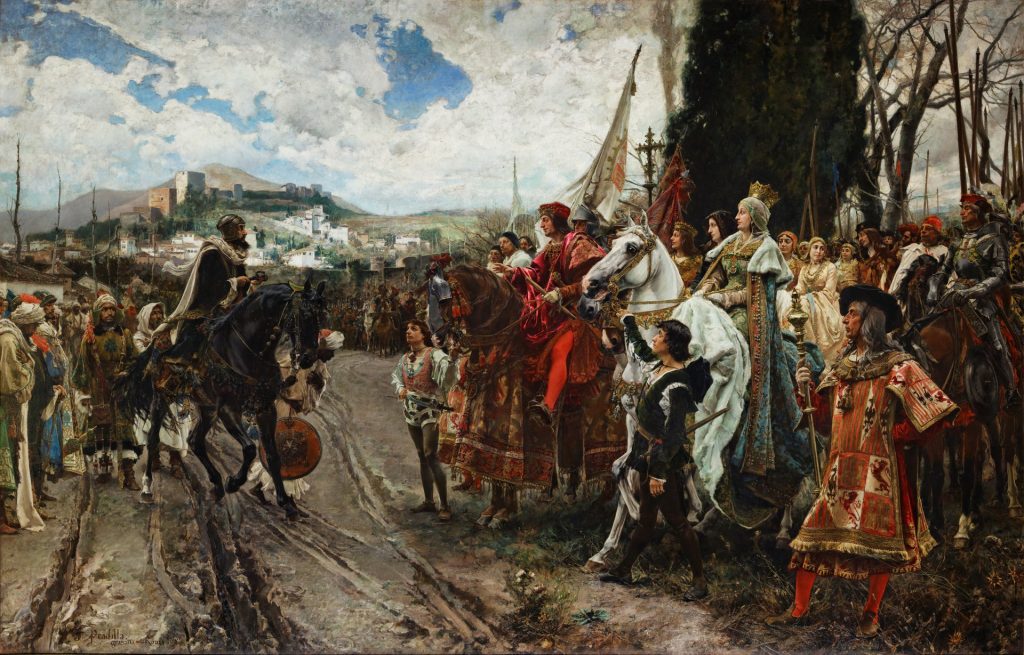
The foundation of Portugal, in 1143, and the conquest of the whole of Portuguese territory from the Moors, in 1249, allowed the establishment of religious, military and monastic orders, which became active centers of agricultural colonization. The important role played by wine in religious ceremonies encouraged the growing of vines, and wine became a natural part of medieval man’s diet.

*

Slowly, wines from Portugal gained notoriety, and in the second half of the 14th century wine production went through a phase of great development and exportation.

15th century

15th century: Discoveries and the conquest of Ceuta

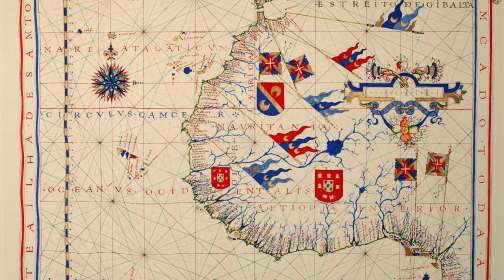
Transported on caravels primarily as ballast, the fortified wines aged inside barrels in the ships’ holds, where time, heat, and the rocking of the sea worked a small miracle: upon their return, the wine revealed a unique quality, was considered precious, and sold for its weight in gold. They call it “roda” wine or “torna-viagem” wine, and it is through this wine that the Portuguese began to understand and explore the effects of aging.

1415

Conquest of Ceuta

1498

Maritime route to India

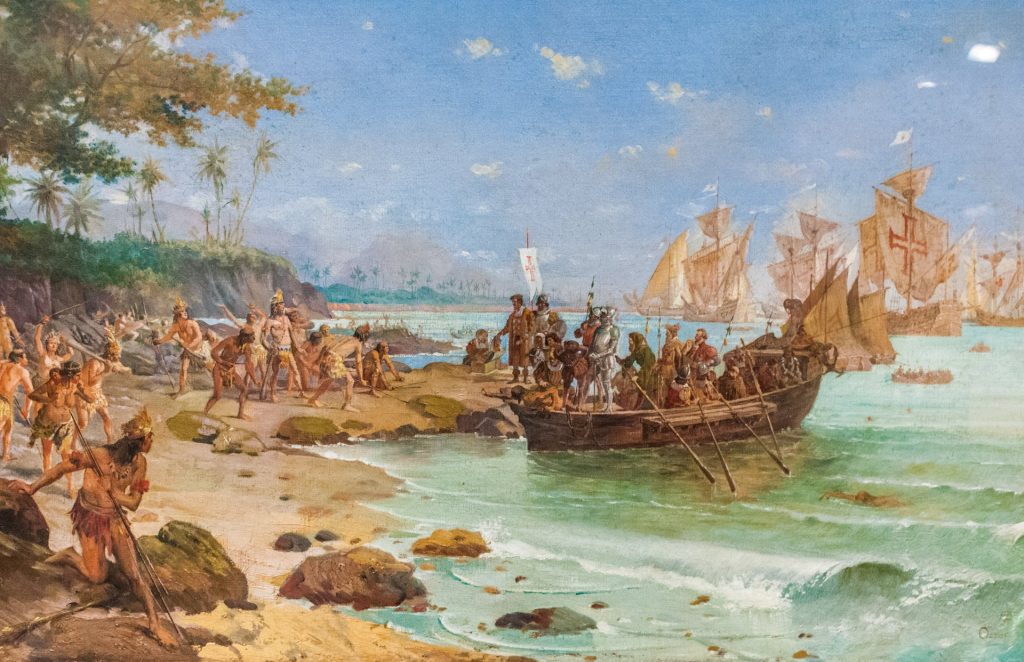
1500

Discovery of Brazil

17th century: Maritime routes

In the mid-16th century, Lisbon was the biggest center of consumption and distribution of wine in the empire, and Portuguese wine reached the four corners of the world. In the 17th century, a series of works of a geographical nature and travel accounts allow to understand the historical path of the Portuguese winegrowing areas, the prestige of its wines and the importance of consumption and export volumes.

18th century

1703: Methuen Treaty

This year, with the signing of the Methuen Treaty, which regulates trade between Portugal and England, Portuguese wine exports experienced a new phase of expansion.

1756: Douro Demarcated Region

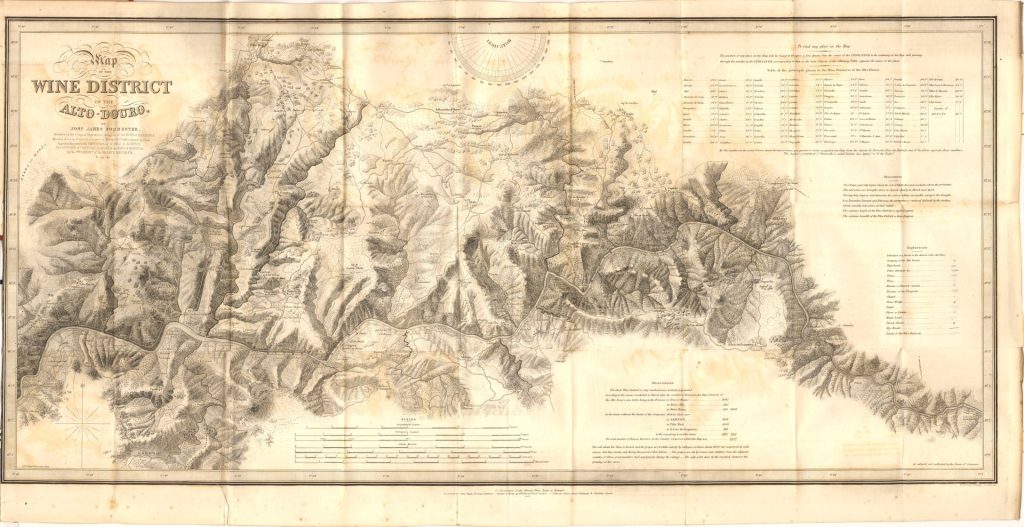
On September 10, 1756, by royal charter, the Companhia Geral da Agricultura das Vinhas do Alto Douro was established, with the aim of regulating the production and trade of local wines and establishing the demarcation of the region. The Douro would go on to become one of the world’s first designated wine regions.

*

As in so many other aspects of Portuguese life, the Marquis of Pombal exerted a strong influence on the winegrowing sector, establishing a series of protectionist measures aimed in particular at the Alto Douro region and the famous Port Wine.

19th century

1807-10: French Invasions

The 19th century, which began with the impact of the French invasions, marked a dark period for winemaking in Portugal. The devastation caused by powdery mildew was followed by the phylloxera plague, which first appeared in the Douro region in 1865 and quickly spread throughout the country, affecting most wine-producing regions.

1850

Vineyard diseases

1867

Phylloxera

1874: London International Exhibition

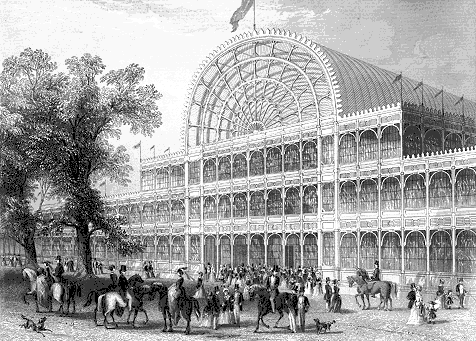
Once the threat was overcome, Portuguese wine production started to recover, and Portuguese wines returned to the limelight at the London International Exhibition of 1874.

*

Colares was the only exception – as phylloxera does not develop in the sandy soils – where its vines are still cultivated today.

1900

1907: Regulation of the wine sector

In the early 20th century, the process of officially regulating other Portuguese designations of origin moved forward. Madeira, Moscatel de Setúbal, Carcavelos, Dão, Colares, and Vinho Verde thus joined Port and what were then known as the “pastor wines” of the Douro.

1910

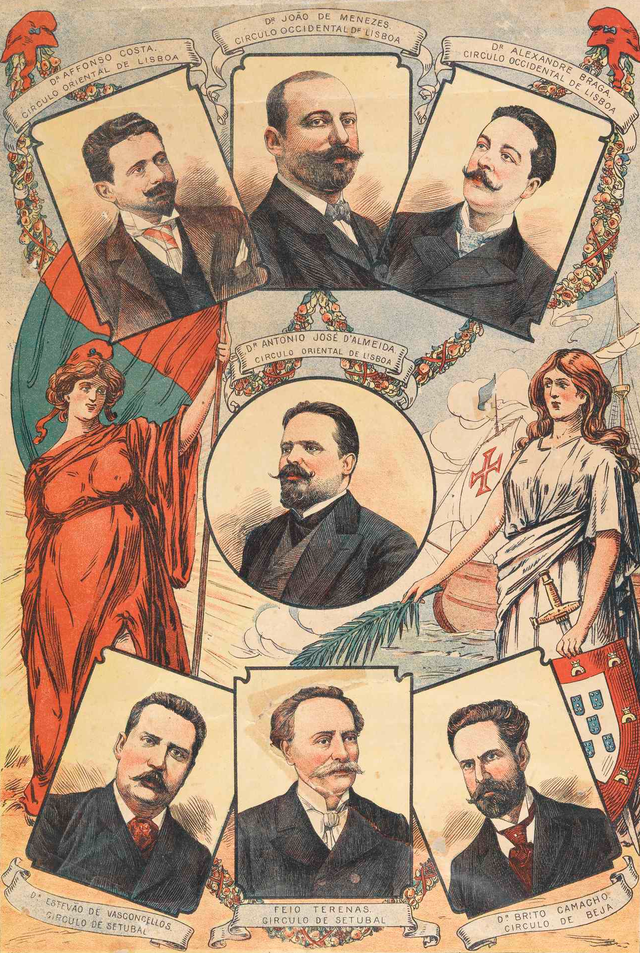
Implantation of the Portuguese Republic

1926
Estado Novo

With the Estado Novo (1926-1974), the Federação dos Vinicultores do Centro e Sul de Portugal is created (1933), whose main role was to help regulate the market.

1937
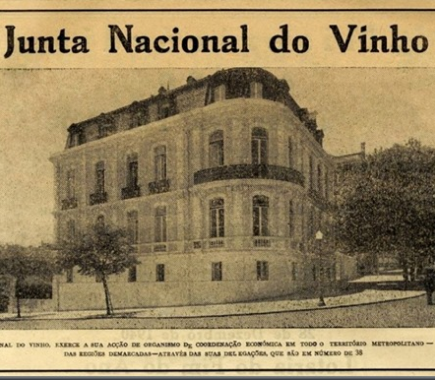
National Wine Board

It was succeeded by the National Wine Board, a broader-scope body with a strong cooperative component. Its role was to ensure a balance between supply and demand, monitor production trends, and promote the storage of surpluses from years of higher production in order to offset periods of scarcity.

1942

Launch of Matheus Rosé

1950-60

Cooperative wineries

1974

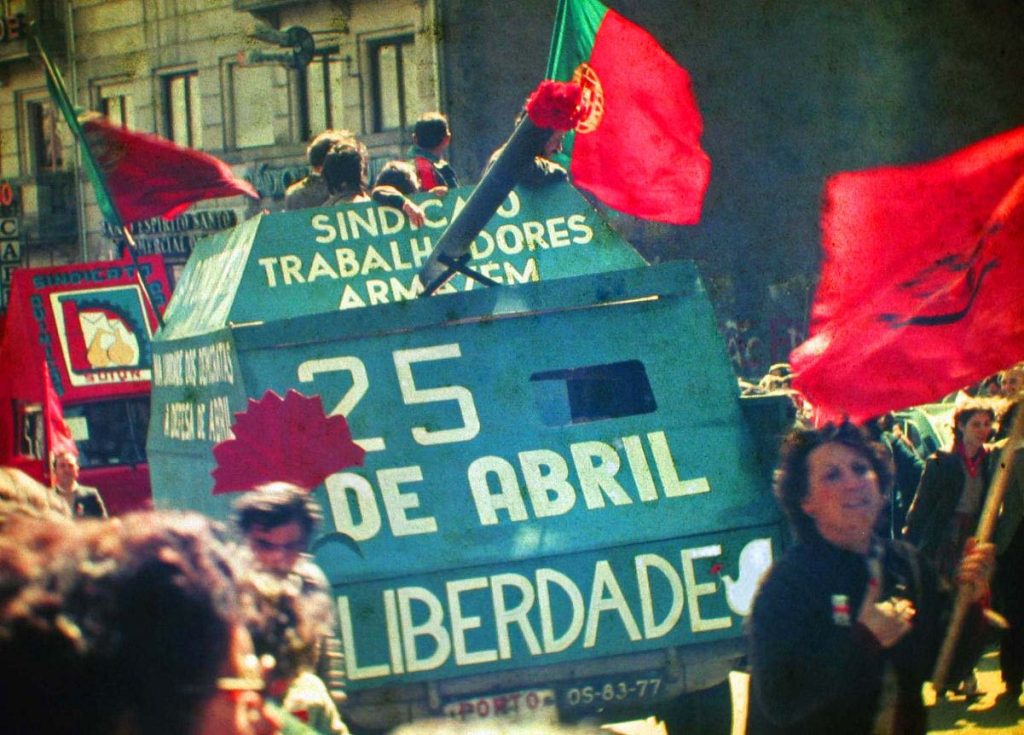
25th April

1986

1986: Portugal joins the EEC | Institute of Vine and Wine

The National Wine Board is replaced by the Institute of Vine and Wine, an agency adapted to the new market policy resulting from Portugal’s accession to the EEC – European Economic Community.

1986 to 2000: Designation of Origin

The concept of “Designation of Origin” is then harmonized with EU legislation, and the category of regional wine – corresponding to table wines with a geographical indication – is also regulated. These changes serve to strengthen the quality policy for Portuguese wines.

ViniPortugal founded in 1996

ViniPortugal, the Interprofessional Organization for Portuguese Wine, is established and recognized by an order from the Ministry of Agriculture.

Recent

2000 to 2010

Regional Wine Commissions – private-law, cross-sector associations governed by bylaws – have been established to assume responsibility for the protection of Designations of Origin and Geographical Indications, as well as for the implementation and enforcement of existing regulations. These entities play a fundamental role in enhancing the quality and prestige of Portuguese wines. Today, 31 Designations of Origin and 12 Geographical Indications are recognized and protected in Portugal.

*

Support from Europe was essential for the viability of countless modern vineyards and wineries that boosted winemaking activity. At the same time, a new generation of producers and oenologists received training at Portuguese universities in the fields of viticulture and oenology, gaining new knowledge and experience in the sector.

Portugal also has a number of cooperatives, some of which are excellent, as well as large, successful companies. In recent decades, there has also been a significant increase in the number of small and independent producers; some of them used to deliver their grapes to cooperatives but have since acquired the necessary equipment to produce their own wines.

Some vineyards are new and modern, with grape varieties selected according to current markets; others are decades or even centuries old, planted with various traditional grapes that offer low yields but high aromatic concentration.

Wines of Portugal logo in color, arranged horizontally.

In 2010, the Vinhos de Portugal/Wines of Portugal brand was created as a collective identity and a means of communicating Portuguese wines around the world.