


WINE REGIONS
Porto e Douro
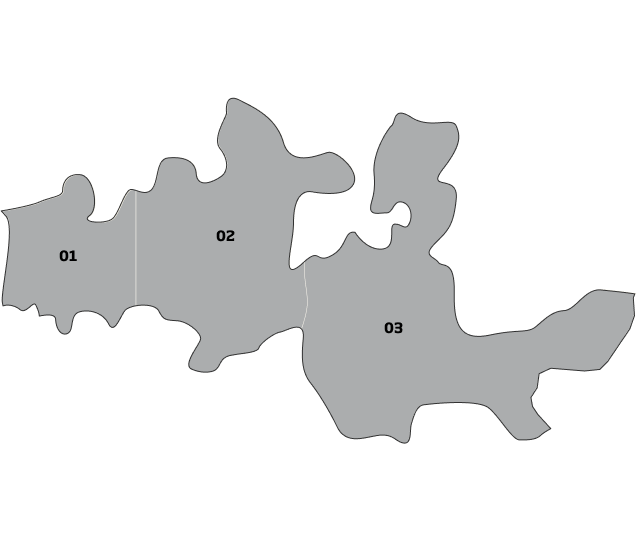
Sub-Regiões
- 01 Baixo Corgo
- 02 Alto Corgo
- 03 Douro Superior
Description of Porto's and Douro's Region
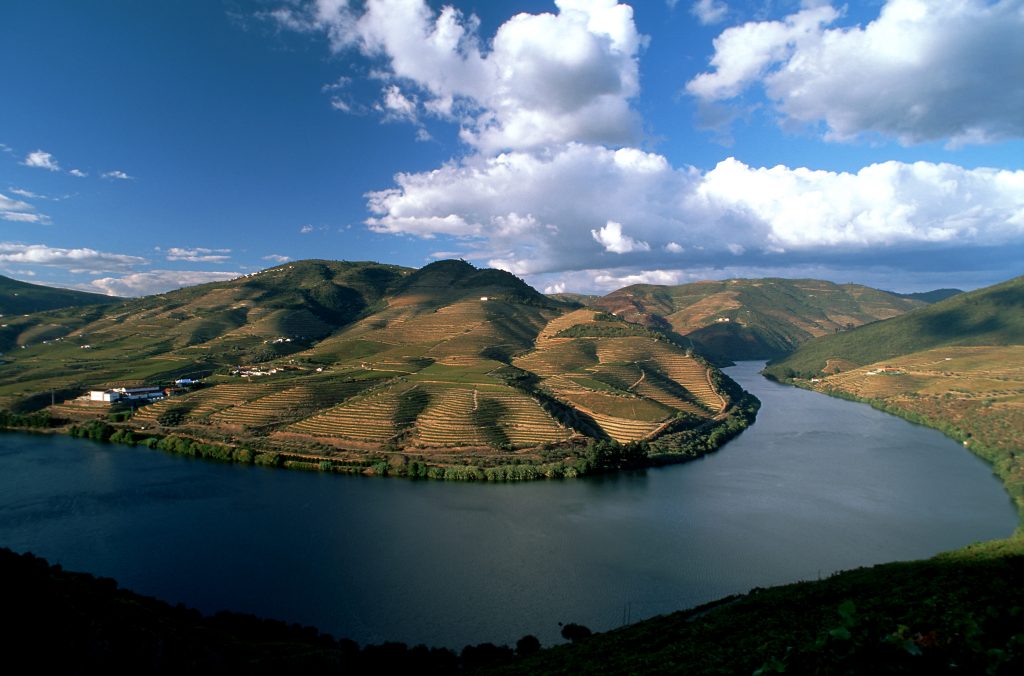
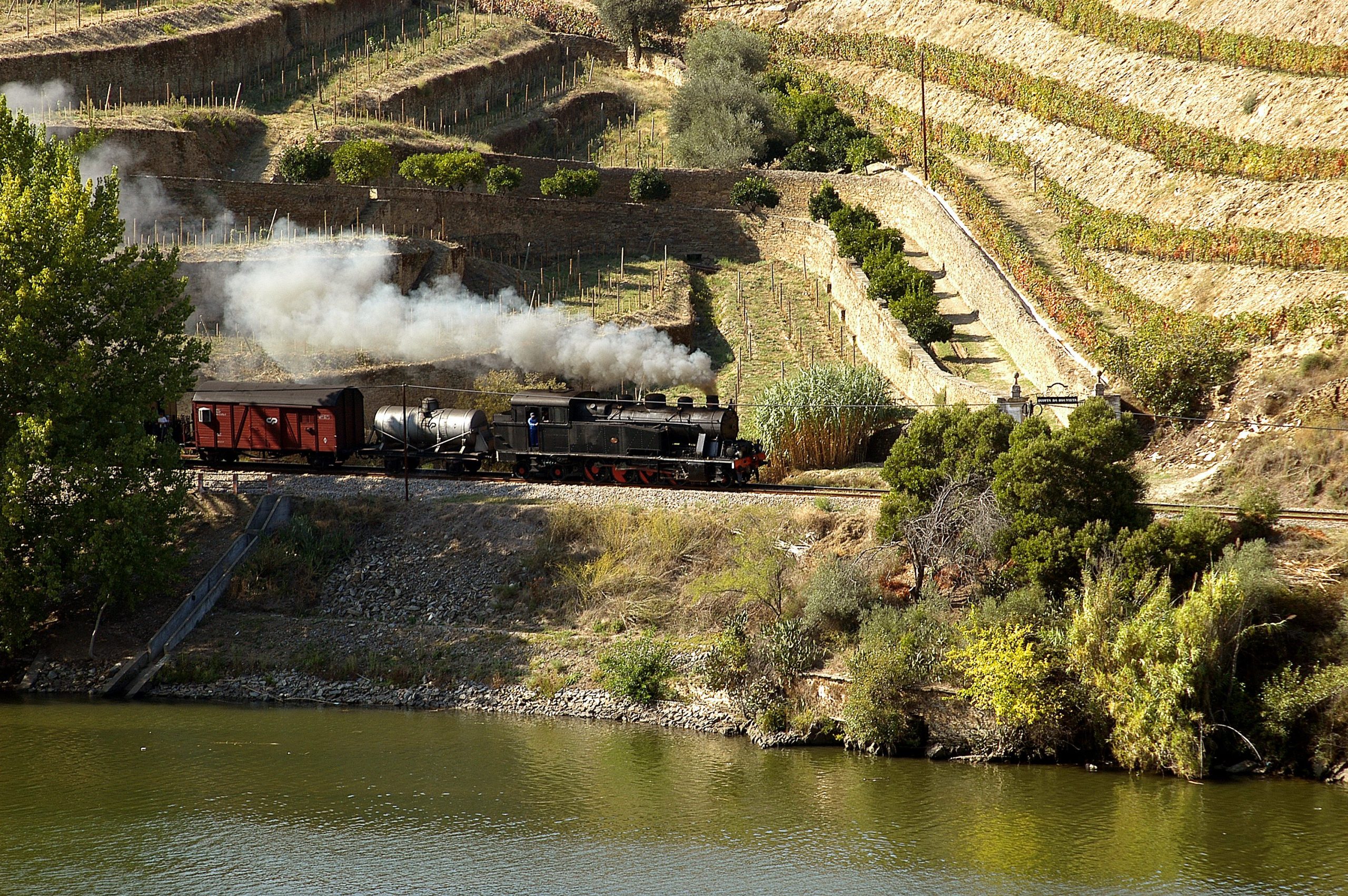
Nowhere else in Portugal is human intervention in the landscape so evident; it is visible in the thousands of terraces scattered throughout the region, defying gravity on the steep slopes where the vineyards are planted. For its beauty and grandeur, the region has been recognized by UNESCO as a World Heritage Site.
The Douro region is bounded by the Douro River, extending from the border with Spain to about 90 kilometers from the city of Porto.
Highly mountainous, the region is shielded from Atlantic influences by the Serra do Marão. The climate is generally dry, with cold winters and very hot summers, ranging from moderate rainfall in the west to the nearly desert-like aridity of the lands near the border.
It is in Douro that Port wine is born, the main ambassador of national wines, supported in the last two decades by the still wines of the Douro, that have gained recognition and independence, and are now a source of even greater renown for the region.
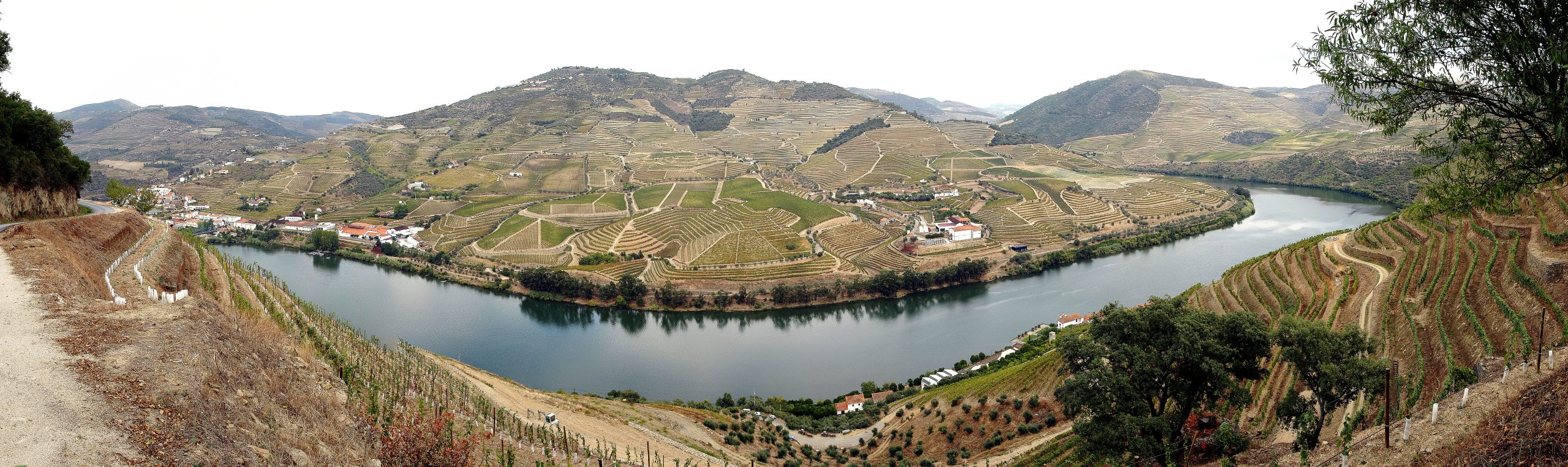
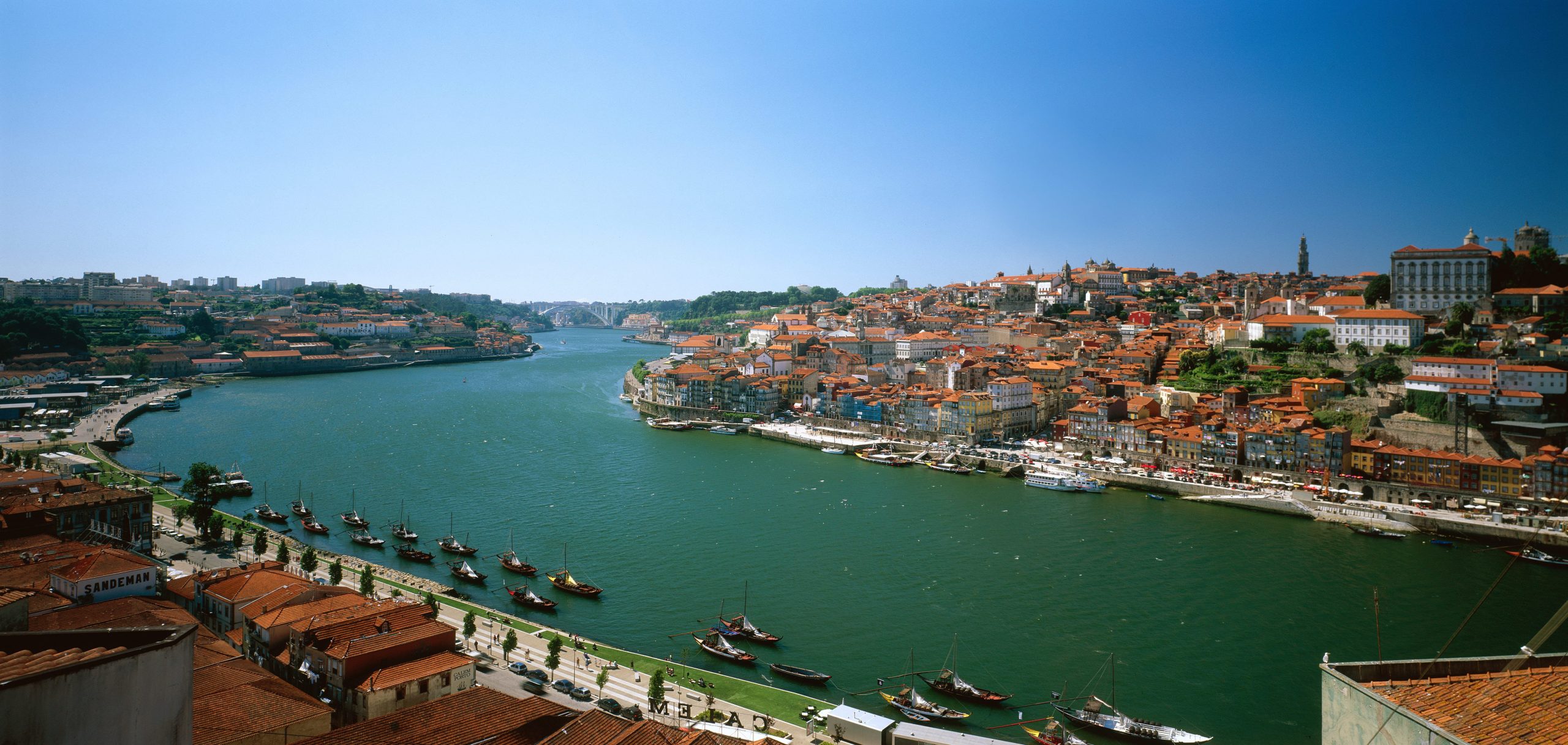
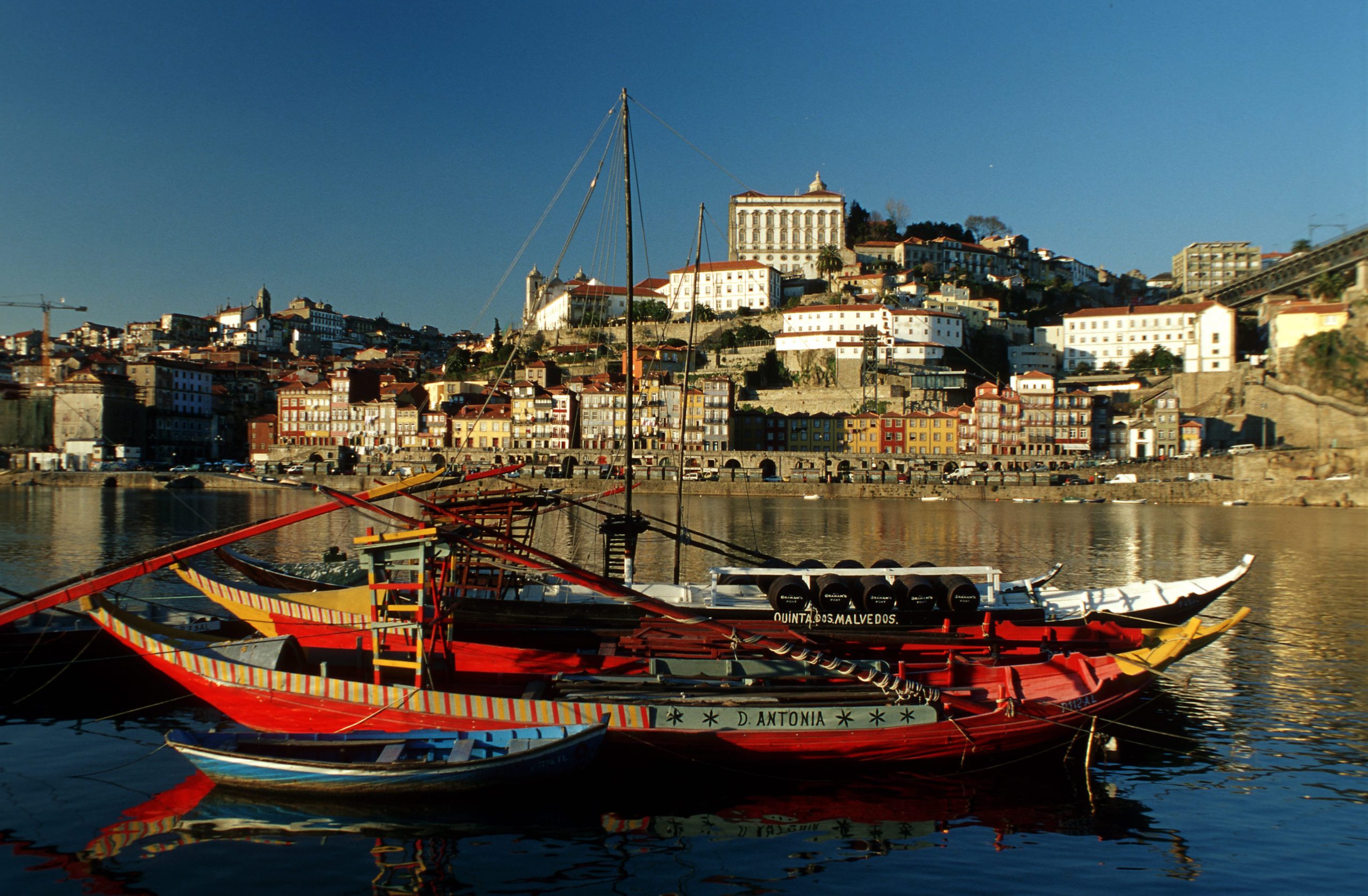
Douro is divided into three subregions: Baixo Corgo, Cima Corgo, and Douro Superior. Baixo Corgo, under the direct influence of the Serra do Marão, is the coolest and rainiest subregion, as well as the most fertile and the one with the highest density of vineyards. Cima Corgo is known as the heart of the Douro, where many of the top-tier Port wines are produced. Douro Superior, the largest subregion, is the warmest, driest, and most extreme, but also the least rugged, characterized by aridity and scorching summers.
It is one of the richest regions in terms of indigenous grape varieties, with hundreds of unique varieties and an extensive area of old vines, sometimes planted with dozens of varieties mixed together.
Among the hundreds of grape varieties, five red varieties stand out: Tinta Barroca, Tinta Roriz, Tinto Cão, Touriga Franca, and Touriga Nacional, selected for their excellence in the production of Port wine; as well as the Sousão and Tinta Amarela (Trincadeira) varieties. The white grape varieties Gouveio, Malvasia Fina, Moscatel, Rabigato, and Viosinho are also noteworthy.
