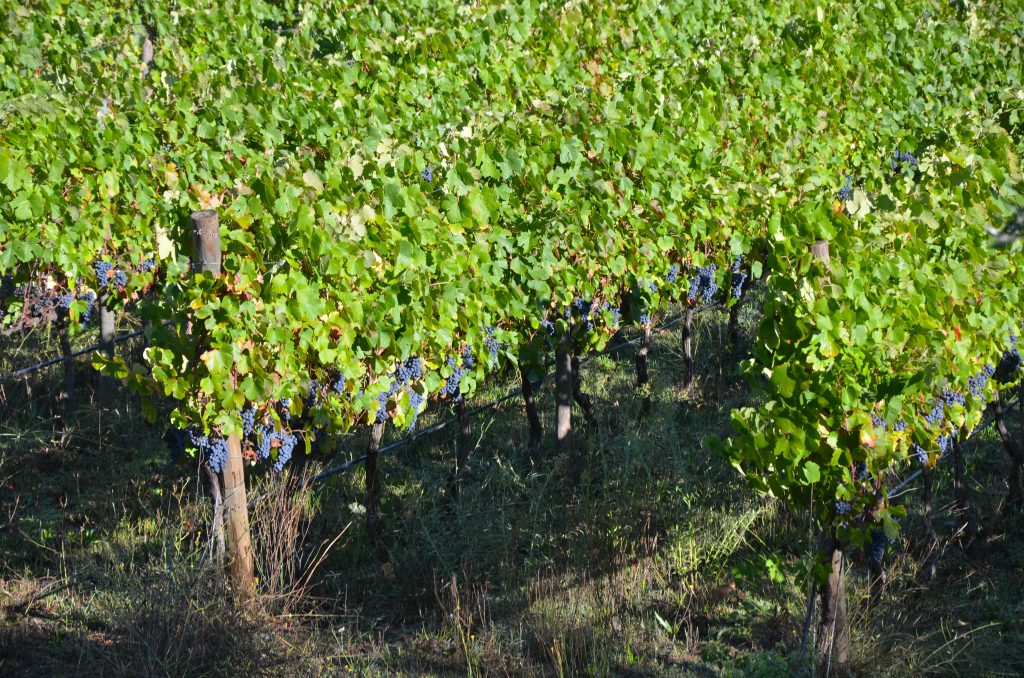
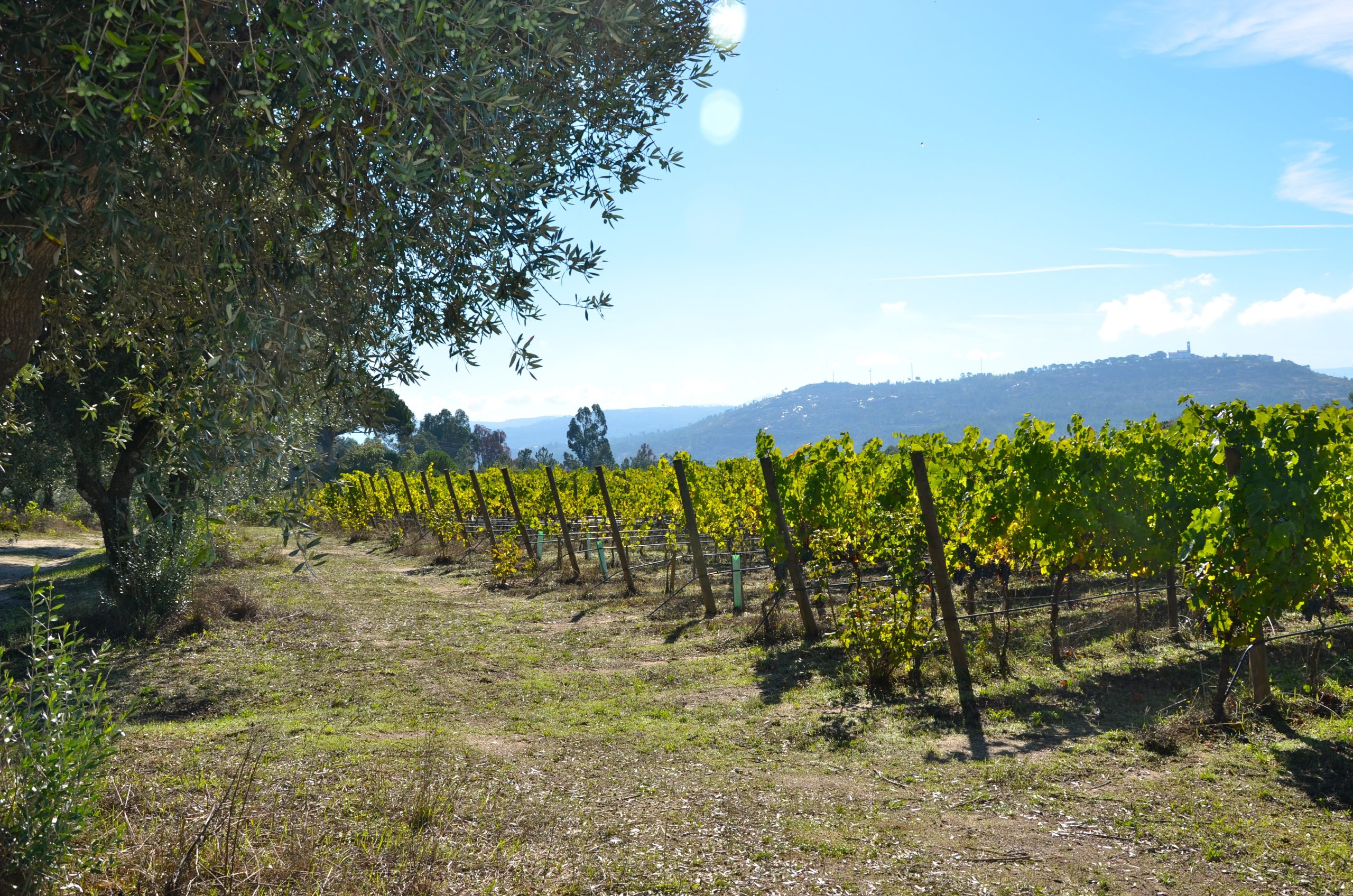
Surrounded by mountains in all directions, based on very poor granite soils, the Dão region extends its vineyards scattered among pine forests at different altitudes, from 1,000 meters in the Serra da Estrela to 200 meters in the lower areas.
The vineyards are sparse and discontinuous, divided into multiple plots, with properties with almost insignificant average areas.
The mountains determine and condition the region’s climate, sheltering the vines from the direct influence of the continental climate and the maritime influence. The poor soils are mostly granite.
The most important white grape varieties are Bical, Cercial, Malvasia Fina, Rabo de Ovelha and Verdelho, in addition to Encruzado. As regards red grape varieties, besides Touriga Nacional, Alfrocheiro, Jaen and Tinta Roriz stand out, as well as the little valued Baga, Bastardo and Tinta Pinheira.
Photo gallery of Dão and Lafões wine region
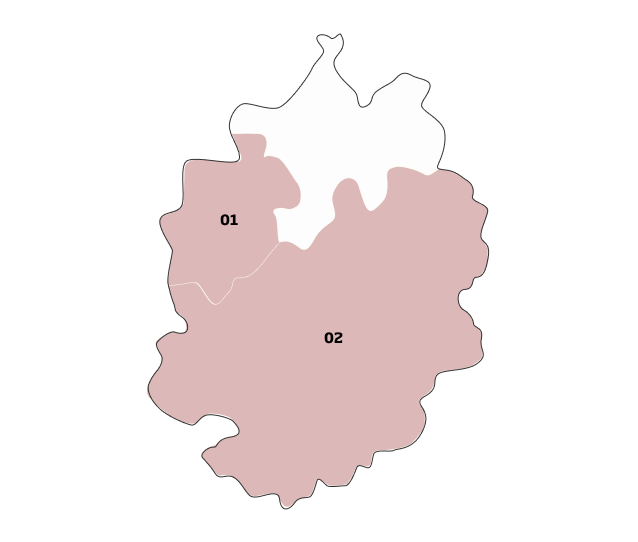
Lafões is a small transition region, located between the Dão and Vinho Verde denominations, crossed by the Vouga River and with granite soils.
White grape varieties include Arinto, Cercial, Dona Branca, Esgana Cão and Rabo de Ovelha, while red grapes are dominated by Amaral and Jaen. As a rule, Lafões wines are acidic, similar to the neighboring Vinho Verde denomination.
Culture
Dão and the Discoveries
Before the Portuguese set out to conquer Ceuta, Dão wine was served at the lavish celebrations organized in Viseu by Infante D. Henrique.
Phylloxera
Dão wine was very sought after by Europeans at a time when phylloxera was decimating vineyards across Europe. Production was primarily intended to meet the demand for Douro wine (this region was already suffering the effects of phylloxera) and to supply the French market with table wine. Between 1883 and 1886, phylloxera invaded the region.