


WINE REGIONS
Vinho Verde
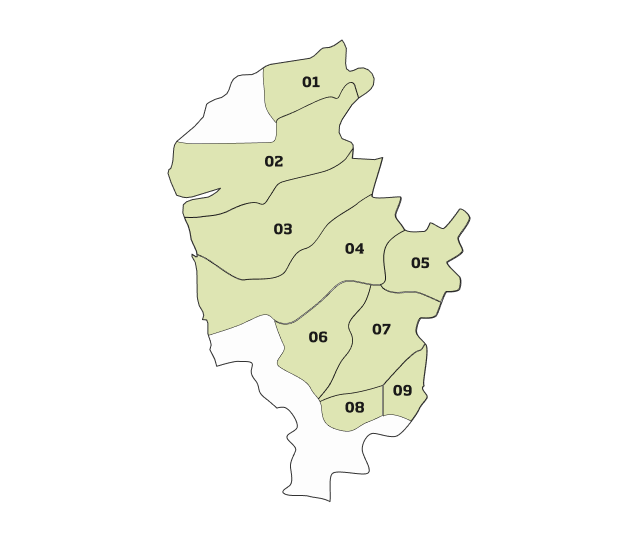
Sub-Regiões
- 01 Monção
- 02 Lima
- 03 Cávado
- 04 Ave
- 05 Basto
- 06 Sousa
- 07 Amarante
- 08 Paiva
- 09 Baião
Description of Vinho Verde's Region
It is the largest denomination in Portugal, with an area of around 24,000 hectares, occupying an immense area throughout the north-west of continental Portugal, with ownership spread over thousands of small plots, sometimes little larger than small backyards.
It is located in the extreme north of continental Portugal, bounded to the north by the Minho river, stretching along the Atlantic coast as far as the city of Porto and to the south as far as the banks of the Vouga river.
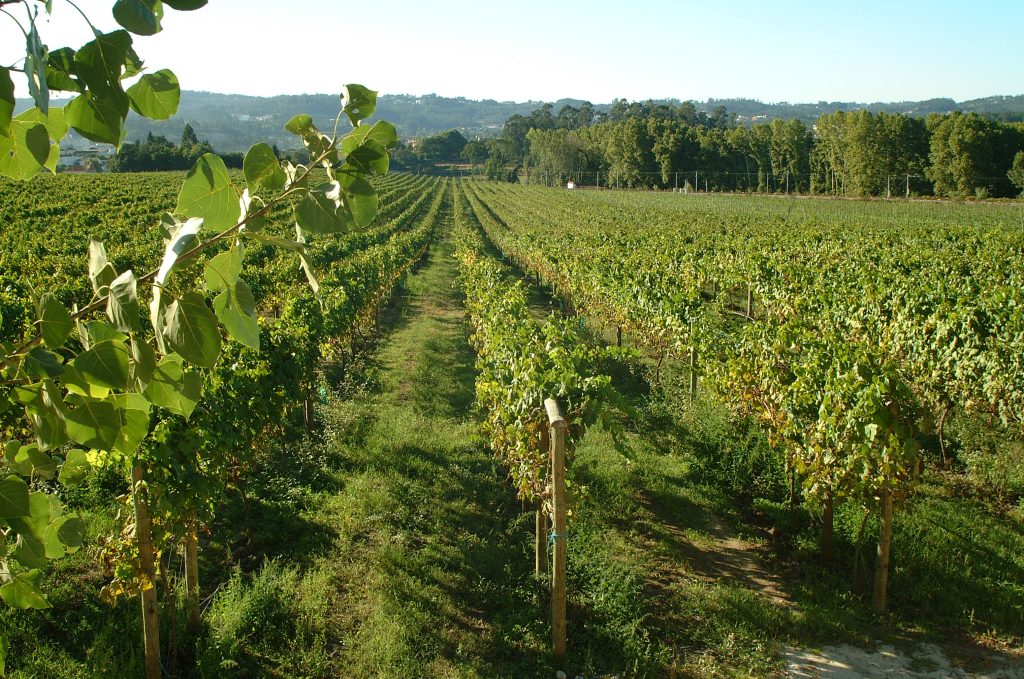
The vineyards are concentrated along the valleys of the main rivers. The soils are homogeneous and mostly granite, fertile to very fertile, with high acidity.
The denomination is divided into nine distinct sub-regions: Monção e Melgaço, Lima, Basto, Cávado, Ave, Amarante, Baião, Sousa and Paiva. Monção e Melgaço are the most singular of the sub-regions, the only one protected from the direct Atlantic influence, with a maritime and continental climate, producing fuller-bodied wines with higher alcohol content.
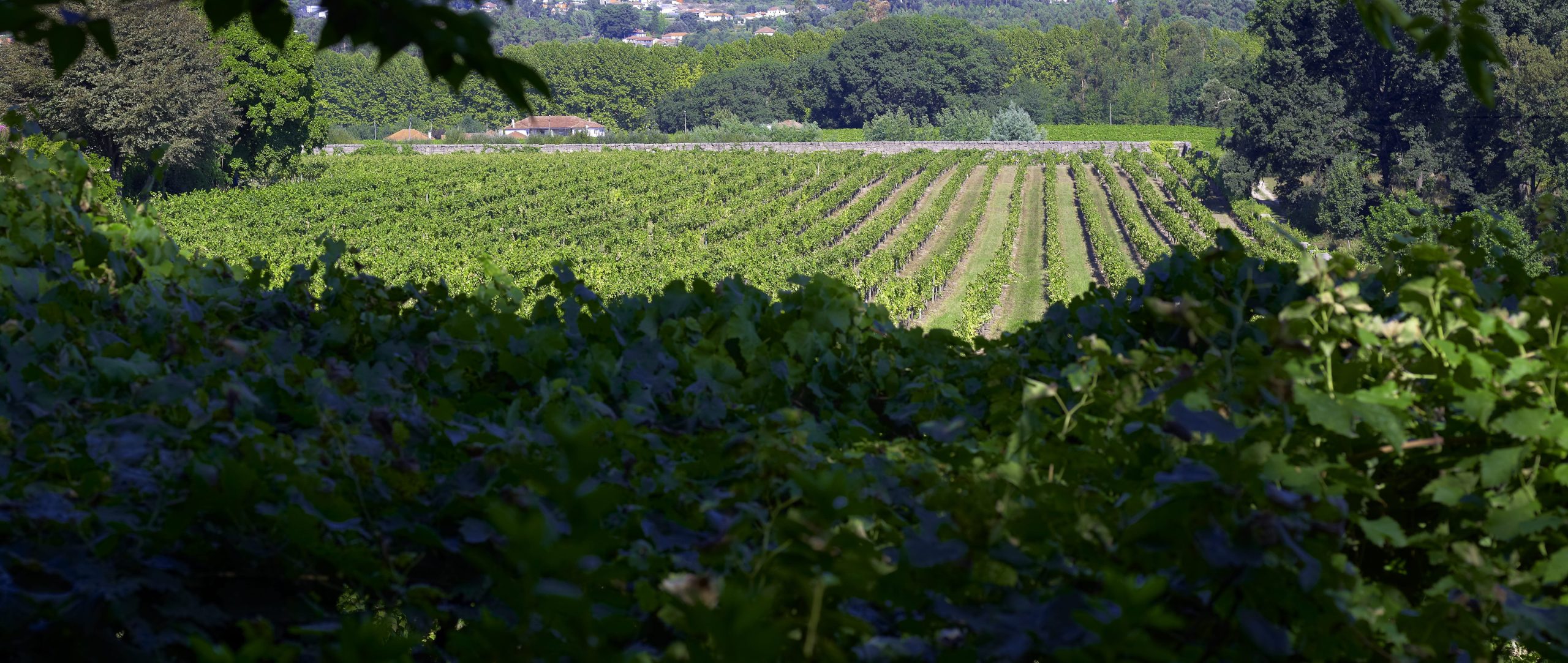
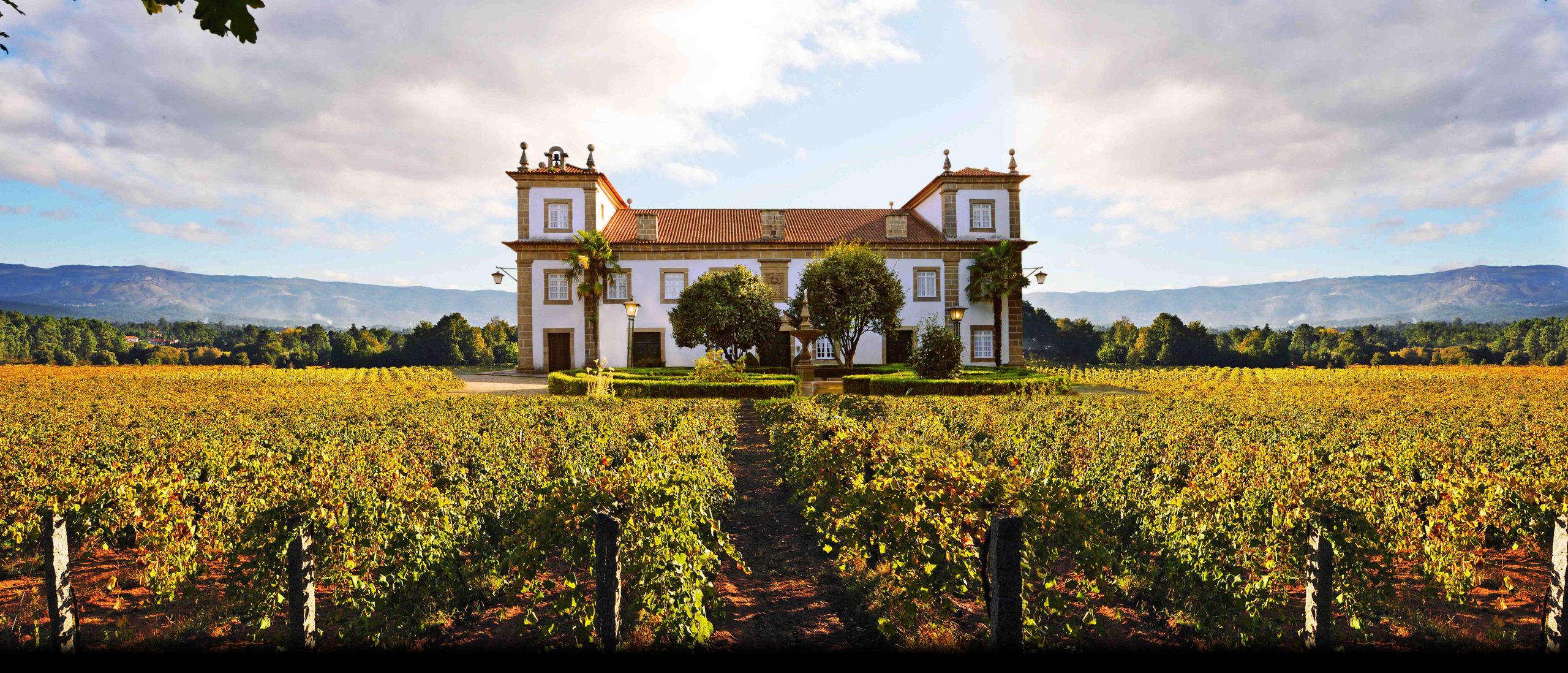
Vinho Verde is characterized by unusual vineyard management techniques, from the unique “enforcado vine” layout, with vines intertwined in the trees, to the pergola system, also known as “latada”, passing through the “cruzeta”, to the nowadays more usual simple cordon system.
The dominant white grape varieties are Alvarinho, Arinto (locally known as Pedernã), Avesso, Azal, Loureiro and Trajadura, while the red varieties are Borraçal, Brancelho, Espadeiro and Vinhão.
White wines are particularly aromatic, clear and refreshing. Since 1999, the region has also been producing sparkling wines, establishing itself as one of the most promising areas for this type of quality wine.
